
Upper Airway Surgery
1.0 CE Credit Hour / Justin Ganjei, DVM, DACVS-SA

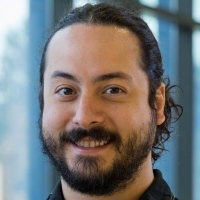
Justin Ganjei, DVM, DACVS-SA
Dr. Justin Ganjei received his Doctorate of Veterinary Medicine from Virginia-Maryland College of Veterinary Medicine in 2011. Following veterinary school he went on to complete a 1-year rotating internship in small animal medicine and surgery and a 1-year internship in small animal surgery. He completed his 3-year residency in small animal surgery with Veterinary Surgical Centers in Northern Virginia in 2016 and became a diplomate of the American College of Veterinary Surgeons in 2017. Since then he has remained as staff surgeon with Veterinary Surgical Centers. Dr. Ganjei performs a wide variety of both soft tissue and orthopedic surgery, but has a special interest in minimally invasive surgery, interventional radiology, and pain management. He is a strong advocate of advancing veterinary medicine to be able to offer the most up-to-date and highest quality of surgery and medicine while minimizing pain and complications. Dr. Ganjei regularly lectures at numerous veterinary conferences throughout the country and is a consultant for the Veterinary Information Network. He enjoys training residents, interns, and teaching veterinary students and is thrilled to recently have been appointed adjunct assistant professor at his alma matter, the Virginia-Maryland College of Veterinary Medicine.
Overview:
This lecture will focus on common upper airway conditions including laryngeal paralysis and brachycephalic airway syndrome. We will discuss diagnostics, management of the emergency upper airway obstruction, and surgical procedures commonly performed, including arytenoid lateralization, stenotic nares correction, staphylectomy, and tracheostomy. Lecture will include recent updates in upper airway diseases and trouble-shooting to ensure a successful outcome for these patients.
Learning Objectives:
- Understand the common upper airway conditions in veterinary patients, including laryngeal paralysis and brachycephalic airway syndrome.
- Identify and apply appropriate diagnostic techniques for evaluating upper airway obstructions.
- Describe emergency management steps for upper airway obstruction in dogs.
- Outline surgical procedures used to treat upper airway conditions, such as arytenoid lateralization, stenotic nares correction, staphylectomy, and tracheostomy.
- Recognize recent updates in upper airway disease management and strategies to troubleshoot complications for improved patient outcomes
This course is RACE-approved for 1.0 continuing education credits hours in jurisdictions that accept RACE-approval.
