
Updates in Chronic Pain Management–Pharmaceuticals and Beyond
1.0 CE Credit Hour / Veterinarians & Veterinary Technicians

Overview:
Despite significant advances in pain management for companion animals in the past two decades, pain is still undertreated. This is often due to the difficulty in recognizing and measuring pain in dogs and cats. Pain is a complex multidimensional experience with both sensory and psychological components. Treatment options for chronic pain are complex, and response to treatment varies greatly from patient to patient, so flexible and individualized treatment approaches are necessary. This session will help the practitioner develop an understanding of the implications of chronic pain, evaluate the use of different chronic pain scales, and review pharmacologic and non-pharmacologic, multi-modal treatment strategies for the chronic pain patient.
Learning Objectives:
- Be able to define chronic pain and associated terminology, such as wind-up, allodynia, hyperesthesia.
- Be able to assess chronic pain in patients using current chronic pain scales and clinical metrology instruments
- Be able to identify and compare pharmaceutical treatment options for chronic pain
- Be able to describe alternative modalities used in pain management
- Be able to develop a multimodal pain management plan for chronic pain patients

Arielle Pechette Markley, DVM, cVMA, CVPP, CCRT, DAIPM, DACVSMR
Arielle Pechette Markley, DVM, cVMA, CVPP, CCRT, DAIPM, is a Sports Medicine and Rehabilitation Veterinarian at The Ohio State University Veterinary Medical Center. She earned her DVM from Colorado State University in 2010, during which time she also became certified in veterinary acupuncture. After graduation she worked in emergency medicine and general practice where she developed a passion for pain management and rehabilitation. Dr. Pechette Markley went on to complete her Certified Veterinary Pain Practitioner certification through IVAPM and her Certified Canine Rehabilitation Therapist certification through the Canine Rehabilitation Institute. She then started a sports medicine and rehabilitation specialty practice in Indianapolis, Indiana. In 2018 Dr. Pechette Markley began working at The Ohio State University Veterinary Medical Center and helped to start up a brand new Sports Medicine and Rehabilitation program. Her position allows her to see a variety of orthopedic, neurologic, geriatric and sports medicine cases. She has also completed research in the field of canine agility injuries and has received funding from the Morris Animal Foundation for research on lumbosacral disease. Her special interests include biomechanics, pathophysiology, prevention and treatment of sport-specific injuries in canine athletes, particularly in dogs competing in agility competitions.
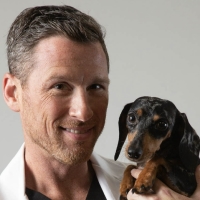
Fred Wininger, VMD, MS, DACVIM (Neurology)
Fred Wininger, VMD, MS, DACVIM (Neurology), originally from New Jersey, graduated from the University of Pennsylvania College of Veterinary Medicine. After completing a small animal rotating internship at the University of Georgia, he finished his neurology/neurosurgery residency at Washington State University. There he developed a love for neuroimaging and the development of a novel neuronavigation device. After joining the faculty at the University of Missouri, he applied these interests to develop therapies for both animals and children with the rare neurodegenerative disorder known as Batten disease (neuronal ceroid lipofuscinosis) and was awarded the young investigator award by the Batten Disease Support & Research Association for his work. He then moved to St Louis, Missouri, where he practiced for several years and developed the first hybrid private practice/academic neurology residency program, which continues today. He currently practices at Charlotte Animal Referral & Emergency in North Carolina. In addition to his clinical and teaching responsibilities, Wininger owns and operates 3D Veterinary Printing, LLC, which creates anatomic models and customized surgical tools to aid veterinary surgeons and neurosurgeons around the world. He also is the founding treasurer of the Veterinary Neurosurgical Society, an active member of the American College of Veterinary Internal Medicine, and adjunct professor for the University of Missouri. In his spare time, Wininger enjoys scuba diving, endurance sports, and exploring new places through their food.
This program has been approved for 1.0 hour of continuing education credit in jurisdictions that recognize RACE approval.
This activity is sponsored by Vetoquinol.