
Trauma: The Do’s and Don’ts
1.0 CE Credit Hour / Steven Berkowitz, DVM, DACVECC

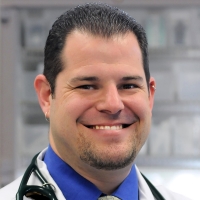
Steven Berkowitz, DVM, DACVECC
Steven T. Berkowitz, DVM, DACVECC, attended St. George’s University and did his clinical year of training at the University of Illinois. Dr Berkowitz joined NorthStar VETS after serving as chief of emergency and critical care at another specialty hospital. Prior to that, he completed a 3-year residency in emergency and critical care medicine at Oradell Animal Hospital in Paramus, New Jersey. His residency was completed at one of the first level 1 veterinary trauma centers in the United States. Prior to his residency, he was a staff emergency veterinarian at Animal Specialty Center in Yonkers, New York, as well as at Animal Emergency and Referral Center in Fairfield, New Jersey. Dr Berkowitz can be seen on seasons 5 and 6 of Animal Precinct on Animal Planet, which was filmed at the ASPCA’s Bergh Memorial Animal Hospital where he did his rotating internship after completing veterinary school. Dr Berkowitz’s professional interests include management of metabolic and endocrine emergencies, as well as management of patients with sepsis. He is published as the primary author in the Journal of Veterinary Emergency and Critical Care with his article “Resolution of spontaneous hemoabdomen secondary to peliosis hepatis following surgery and azithromycin treatment in a Bartonella species infected dog.” Dr Berkowitz proudly serves on the board of trustees for Mickey’s Kids, a charitable foundation that helps provide service dogs in New Jersey for children in need. He is also on the board of diversity and inclusion with the College of Veterinary Emergency and Critical Care, as well as serving as a critical care reviewer for VetCompanion, an online service for veterinary professionals. He is also involved in the reviewing process for the newest version of the RECOVER Guidelines for advancing knowledge in CPR in the veterinary field.
Overview:
Common emergency room traumas and what to do to stabilize and appropriately manage trauma patients. This lecture will include stabilization, appropriate pain management, "damage control," and appropriate fluids and antibiotics when indicated. We will also discuss common mistakes and pitfalls. Trauma scoring, prognostic indicators and VetCOT information will also be discussed
Learning Objectives:
- Provide recommendations to optimize positive outcomes in trauma stabilization
- Define goal directed therapy and the purpose of said goals
- Discuss common pitfalls with trauma stabilization
- Ensure adequate pain control with multimodal therapy
- Discuss “damage protocol” recommendation
This course is RACE-approved for 1.0 continuing education credits hours in jurisdictions that accept RACE-approval.
