
Top 10 Veterinary DEA Violations
1.0 CE Credit Hour / Peter Weinstein, DVM; MBA, Kelley Detweiler

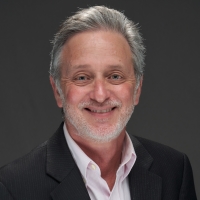
Peter Weinstein, DVM, MBA
Dr Peter Weinstein is a husband, father, pet parent, veterinarian and leader.
He has been involved with virtually all aspects of veterinary practice from a 15 year old kennel kid to a hospital owner.
Organized veterinary medicine has been a passion as well with various roles and leadership and presidencies of Southern California VMA, California VMA, and Vet Partners.
He is a published author, most notably of the EMyth Veterinarian-Why Most Veterinary Practices Don’t Work and What to Do About It.
Currently, among other things, he is teaching business and finance at the Veterinary College of Western University of Health Sciences.
He likes to think of himself as a free thinking change agent and disruptor who, because he has a daughter who recently graduated from veterinary school, is working for an even better veterinary profession in the future.

Kelley Detweiler
Kelley Detweiler is a DEA controlled substance and regulatory compliance expert who provides solutions and services to public and private entities in the pharmaceutical, healthcare, supply chain and veterinary industries. She is the Founder of DEA360 and Kolibry, national compliance firms comprised of retired government agents, investigators, and security experts that assist companies operating with controlled substances and regulated chemicals, as well as a Partner in Simple Solutions 4 Vets with Dr. Peter Weinstein, a corporation focused on helping veterinary professionals implement proactive solutions to meet DEA and state regulatory compliance requirements.
Kelley’s work in the veterinary industry includes having inspected, audited, and remediated over 700 veterinary facilities in North America (including Canada). She is a RACE-approved instructor and CE broker, the coauthor of “Safeguarding Controlled Substances” published by AAHA, a faculty author/speaker for DVM 360 and author for Today’s Veterinary Business where her column, “Let’s Talk Drugs” is featured.
Internationally, Kelley addresses controlled substance and regulatory issues on a global level and has been a featured speaker at the United Nations in addition to serving as a subject matter expert for Bloomberg News.
Overview:
Based upon visits to 100s of veterinary hospitals, here is what DEA diversion investigators and agents report as the most common violations of the Code of Federal Regulations. By understanding the most common issues where veterinary facilities tend to “get it wrong” and implementing a proactive approach to these areas, you can prepare your practice for a surprise DEA inspection even if it happens when least expected. Recommended best practices will be shared for each of the violations.
Learning Objectives:
- Inability to produce a biennial inventory
- Records are not "readily retrievable"
- DEA registration and state licensing issues
- Inaccurate logging & infrequent reconciliations
- Poor employee vetting processes
- Noncompliant storage
- Poor physical security
- Inadequate receiving processes
- Not accounting for hub loss
- Noncompliant wasting & disposal processes
This course is RACE-approved for 1.0 continuing education credits hours in jurisdictions that accept RACE-approval.
