
Puddles and Leaks—Can We Turn Off the Tap: Diagnosing and Treating Urinary Incontinence
1.0 CE Credit Hour / Stuart Walton, BVSc (Hons), BSCAGr (Hons), MANZCVS (SAIM)

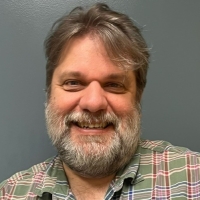
Stuart Walton, BVSc (Hons), BSCAGr (Hons), MANZCVS (SAIM)
Dr. Walton is a clinical assistant professor in Small Animal Internal Medicine at University of Florida. He is a clinician of 20 plus years, receiving his veterinary degree at the University of Queensland. He has completed two internal medicine residencies at Veterinary Specialist Services (Australia) and Louisiana State University. Dr. Walton currently resides in Gainesville, Florida where he trains students, interns, and residents promoting common-sense veterinary medicine. He has a broad range of interests including infectious and inflammatory diseases, immune mediated disease, respiratory, urinary, gastrointestinal, and hepatic disease as well as extracorporeal blood purification techniques. He is the Co-Editor of Clinical Medicine of the Dog and Cat and has authored multiple articles and book chapters.
Overview:
Urinary incontinence has become more problematic in veterinary medicine due to changed living conditions of animals. Incontinence may be an inherited or acquired condition with the time of onset being ultimately important in determining the underlying cause. During this talk we will focus on micturition, review the causes of urinary incontinence, and discuss the most up to date treatments for these conditions.
Learning Objectives:
- To briefly review the physiology of both the storage and voiding of urine
- To outline common histories and questions that should be asked for patients with urinary incontinence
- To provide an overview of the diagnostic tests used to determine the cause of urinary incontinence
- To review the causes associated with urinary incontinence
- To provide an overview of treatments for the most common cause of urinary incontinence
This course is RACE-approved for 1.0 continuing education credits hours in jurisdictions that accept RACE-approval.