
Nonantibiotic Therapy of Diarrhea
1.0 CE Credit Hour / Albert E. Jergens, DVM, PhD, DACVIM, AGA Fellow

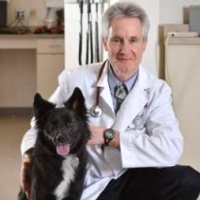
Albert E. Jergens, DVM, PhD, DACVIM, AGA Fellow
Albert E. Jergens, DVM, PhD, DACVIM, is Professor and Associate Chair for Research and Graduate Studies in the Department of Veterinary Clinical Sciences, Iowa State University, Ames. He specializes in small animal internal medicine, with specific research interests in GI endoscopy; clinical gastroenterology including chronic enteropathies in dogs and cats; and host-microbiota interactions mediating GI health and disease. Dr. Jergens received his DVM from Texas A&M University and performed his small animal internal medicine residency at the University of Missouri.
Overview:
Antibiotics are no longer commonly used for treatment of acute and chronic diarrhea due to their adverse effects on the gut microbiome and risk for poor long-term prognosis. This talk will focus on causes for acute/chronic diarrhea and the use of diet, probiotics/synbiotics, FMT, and immunosuppressive therapy (+/-intestinal biopsy) in managing these patients.
Learning Objectives:
- Identify 3 harmful effects of antimicrobial use in dogs and cats with gastroenteritis
- Which chronic enteropathy phenotype is generally responsive to antibiotics?
- Identify the general requirements of an appropriate diet used in diet trials for chronic enteropathy
- Know what drug class is routinely used for treatment of immunosuppressive responsive enteropathy
- Identify risk factors for poor long-term outcome in dogs with chronic enteropathy
This course is RACE-approved for 1.0 continuing education credits hours in jurisdictions that accept RACE-approval.
This activity is sponsored by Nutramax.