
Food for Thought: Diagnostic and Therapeutic Diets for Derm Cases
1.0 CE Credit Hour / Joya Griffin, DVM, DACVD

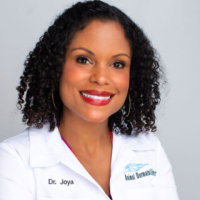
Joya Griffin, DVM, DACVD
Dr. Joya Griffin is an Ohio native and graduated from Cornell University College of Veterinary Medicine in 2006. While attending Cornell, she earned numerous awards, including the Dermatology Service Award for her aptitude in clinical dermatology and her research on Malassezia otitis externa. After graduation, she completed an internship at VCA Berwyn and Aurora Animal Hospitals in Chicago where she was awarded the Intern Abstract Award for her presentation on Methicillin-Resistant Staphylococcus aureus. Dr. Griffin returned to Cornell University in 2007 for a residency in dermatology and, after completing her residency-training program, served one year as an instructor of dermatology teaching fourth-year clinical students as well as lecturing to underclassmen on bacterial, fungal, and immune-mediated skin diseases. Dr. Griffin became a Diplomate of the American College of Veterinary Dermatology (ACVD) in August 2010 and joined the Animal Dermatology Group. She has a special interest in fungal and immune-mediated skin diseases as well as feline and equine dermatology. She enjoys lecturing to fellow veterinarians, mentoring residents, and teaching the veterinary students who extern with her. Dr. Griffin also stars in the Nat Geo WILD television series, “Pop Goes the Vet with Dr. Joya,” which highlights the challenging and mysterious cases she encounters in veterinary dermatology. Dr. Griffin always strives to care for her patients as if they are her own pets and loves building a long-lasting relationship with their pet parents. Outside of work, Dr. Griffin enjoys spending time with her family and pets. She is happily married to Dr. Forrest Cummings, a veterinary internal medicine specialist, and they have 3 children - Caden and boy/girl twins, Coby and Carter. They have two cats, Donut and Peach Coffee, and two dogs, Guri and Magic. She loves traveling, entertaining and working out.
Overview:
Use nutrition as a diagnostic and treatment tool for skin cases. Food can heal from the inside out and reduce inflammation and restore the barrier function of the skin.
Learning Objectives:
- Review the pathogenesis of adverse food reactions in dogs and cats
- Learn how to conduct accurate elimination diet trials
- Discover how microbiome dysbiosis may lead to development of canine allergy
- Learn ways to improve client compliance with diet trials
- Identify foods to aid in barrier function restoration to control atopic dermatitis
This course is RACE-approved for 1.0 continuing education credits hours in jurisdictions that accept RACE-approval.
