
Feline Diabetes: A New Chapter
1.0 CE Credit Hour / Veterinarians & Veterinary Technicians

Overview:
Treatment
options for the diabetic cat are changing, and many cats can be successfully
managed without the burden of daily insulin injections. In this lecture, we
will discuss the advantages and limitations of the SGLT-2 inhibitors, and share
information about the effects of velagliflozin in both newly diagnosed and
insulin-treated cats. Patient selection, evaluation, monitoring and
troubleshooting will be reviewed.
Learning Objectives:
- Explain the mechanism of action of the SGLT-2 inhibitors
- Identify feline diabetic patients that are suitable candidates for an SGLT-2 inhibitor
- Create and implement appropriate monitoring protocols for cats on an SGLT-2 inhibitor
- Recognize and address euglycemic diabetic ketoacidosis

Dr. Audrey Cook BVM&S, MRCVS, Dip ACVIM-SAIM, Dip ECVIM-CA, Dip ABVP
Audrey Cook is a graduate of the University of Edinburgh, Scotland. She completed her internship at NC State and her residency in small animal internal medicine at UC Davis.
Dr. Cook is a Diplomate of both the American and European Colleges of Veterinary Internal Medicine, and is also recognized as a specialist in Feline Practice by the American Board of Veterinary Practitioners.
After a decade in private referral practice, Dr. Cook joined the faculty at Texas A&M. She is now Professor of Small Animal Internal Medicine and co-Chief of the Medicine Section, with particular interests in endocrinology, gastroenterology and interventional radiology.
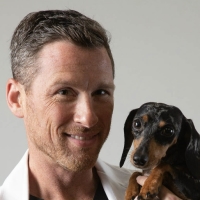
Fred Wininger, VMD, MS, DACVIM (Neurology)
Fred Wininger, VMD, MS, DACVIM (Neurology), originally from New Jersey, graduated from the University of Pennsylvania College of Veterinary Medicine. After completing a small animal rotating internship at the University of Georgia, he finished his neurology/neurosurgery residency at Washington State University. There he developed a love for neuroimaging and the development of a novel neuronavigation device. After joining the faculty at the University of Missouri, he applied these interests to develop therapies for both animals and children with the rare neurodegenerative disorder known as Batten disease (neuronal ceroid lipofuscinosis) and was awarded the young investigator award by the Batten Disease Support & Research Association for his work. He then moved to St Louis, Missouri, where he practiced for several years and developed the first hybrid private practice/academic neurology residency program, which continues today.
He currently practices at Charlotte Animal Referral & Emergency in North Carolina. In addition to his clinical and teaching responsibilities, Wininger owns and operates 3D Veterinary Printing, LLC, which creates anatomic models and customized surgical tools to aid veterinary surgeons and neurosurgeons around the world. He also is the founding treasurer of the Veterinary Neurosurgical Society, an active member of the American College of Veterinary Internal Medicine, and adjunct professor for the University of Missouri. In his spare time, Wininger enjoys scuba diving, endurance sports, and exploring new places through their food.
This program has been approved for 1.0 hour of continuing education credit in jurisdictions that recognize RACE approval.
This activity is funded by Boehringer Ingelheim.