
Don’t Be a Pain: Analgesia for the Emergency and Critical Care Patient
1.0 CE Credit Hour / Karen Roach, RVT, VTS (ECC)

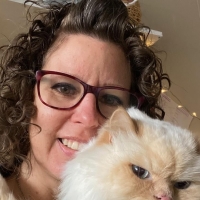
Karen Roach, RVT, VTS (ECC)
Karen Roach, RVT, VTS, is originally from the east coast of Canada. She graduated from the Nova Scotia Agricultural College’s Animal Health Technology program in 1994. In 1997, after working for several years in general practice, she accepted a position with the newly opened Metro Animal Emergency Clinic in Halifax, Nova Scotia, which was the first after- hours veterinary emergency clinic to open in Atlantic Canada. In 2000, she completed a1-year veterinary technician internship at the Animal Medical Center in New York, NY. It was here that Ms. Roach developed a keen interest in anesthesia, as well as emergency and critical care medicine. After completing the internship, she returned to the Metro Animal Emergency Clinic, and eventually began working toward becoming a veterinary technician specialist in emergency/critical care. She completed this designation in 2013, and in June 2014, left her native Canada and to move to New Jersey. After 4 years at NorthStar Vets in Robbinsville, she decided to make a change, and become a training mentor at Mount Laurel Animal Hospital in September 2018.
Overview:
Definitions related to pain and pain control, commonly used analgesia drugs in emergency and critical care settings, pain scoring systems. Also, the consequences of untreated pain, how patient comfort and stress levels affect pain perception, how to manage stress and anxiety along with pain. We will also talk about some non-pharmacologic measures to help with pain control.
Learning Objectives:
- How to recognize, assess, and score pain.
- The importance of treating pain preemptively or as soon as possible.
- The consequences of untreated pain.
- How important it is to also manage stress and anxiety as well as pain.
- Non-pharmacological ways to deal with pain.
This course is RACE-approved for 1.0 continuing education credits hours in jurisdictions that accept RACE-approval.
This activity is sponsored by Mount Laurel Animal Hospital.
