
Coughing Up Answers: A Clinical Approach to Canine Infectious Respiratory Disease Complex
1.0 CE Credit Hour / Veterinarians & Veterinary Technicians

Overview:
Canine infectious respiratory disease complex (CIRDC) describes a wide range of bacterial and viral causes of upper and lower respiratory tract disease. This case-based course will focus on diagnostic and therapeutic approaches to the dog with CIRDC. It will include advice on how to interpret PCR panels and diagnose and guide therapy for acute onset respiratory distress in a dog. The benefits and shortcomings of bronchoalveolar lavage and transtracheal wash will be discussed, as will new guidelines and recommendations from the International Society for Companion Animal Infectious Diseases (ISCAID) for antimicrobial use in the treatment of respiratory tract disease.
Learning Objectives:
- Discuss the clinical approach to dogs presenting with acute respiratory signs.
- Review the pathogens implicated in canine infectious respiratory disease complex (CIRDC) and associated preventive practices, including vaccinatio
- Provide an overview of diagnostic and therapeutic approaches for dogs with CIRDC.

Carol Reinero, DVM, DACVIM, PhD
Dr. Reinero received her PhD in immunology from the University of California, Davis, and is a diplomate of the American College of Veterinary Internal Medicine. Dr. Reinero is currently an associate professor and the Director of the Comparative Internal Medicine Laboratory at the University of Missouri. She has spoken nationally and internationally on respiratory diseases in small animals and has published close to 100 peer-reviewed articles and book chapters. In 2013, she was named one of MU’s Top Faculty Achievers, recognized by the Chancellor of the University of Missouri.
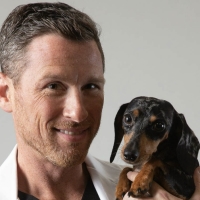
Moderator: Fred Wininger, VMD, MS, DACVIM (Neurology)
Fred Wininger, VMD, MS, DACVIM (Neurology), originally from New Jersey, graduated from the University of Pennsylvania College of Veterinary Medicine. After completing a small animal rotating internship at the University of Georgia, he finished his neurology/neurosurgery residency at Washington State University. There he developed a love for neuroimaging and the development of a novel neuronavigation device. After joining the faculty at the University of Missouri, he applied these interests to develop therapies for both animals and children with the rare neurodegenerative disorder known as Batten disease (neuronal ceroid lipofuscinosis) and was awarded the young investigator award by the Batten Disease Support & Research Association for his work. He then moved to St Louis, Missouri, where he practiced for several years and developed the first hybrid private practice/academic neurology residency program, which continues today.
He currently practices at Charlotte Animal Referral & Emergency in North Carolina. In addition to his clinical and teaching responsibilities, Wininger owns and operates 3D Veterinary Printing, LLC, which creates anatomic models and customized surgical tools to aid veterinary surgeons and neurosurgeons around the world. He also is the founding treasurer of the Veterinary Neurosurgical Society, an active member of the American College of Veterinary Internal Medicine, and adjunct professor for the University of Missouri. In his spare time, Wininger enjoys scuba diving, endurance sports, and exploring new places through their food.
This program has been approved for 1.0 hour of continuing education credit in jurisdictions that recognize RACE approval.
This activity is sponsored by Boehringer Ingelheim.