
Bandages, Casts, and Fractures—Oh My! Mastering the Fundamentals Every GP Should Know
1.0 CE Credit Hour / Karl C. Maritato, DVM, DACVS-SA

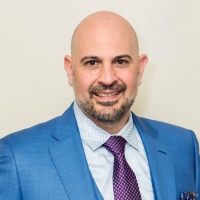
Karl C. Maritato, DVM, DACVS-SA
Karl C. Maritato, DVM, Diplomate, ACVS-SA, is a Board-certified Veterinary Surgeon at MedVet Cincinnati, where he has been part of the medical team since 2010. Dr. Maritato attended the University of Florida, where he earned two Bachelor of Science degrees. At Ross University School of Veterinary Medicine, he earned his Doctor of Veterinary Medicine degree, graduating with highest honors and at the top of his class. He received the American Animal Hospital Association Small Animal Medicine Award, the Pfizer Parasitology Award, and the Novartis Pharmacology Award. Following his graduation from veterinary school, Dr. Maritato completed a yearlong internship in small animal medicine and surgery followed by a yearlong surgical internship at the Louisiana Veterinary Referral Center, now MedVet Mandeville. He then completed a three-year residency in small animal surgery at MedVet Columbus.
After completing his residency and becoming a board-certified Diplomate of the American College of Veterinary Surgeons, Dr. Karl Maritato played an integral role in the development and introduction of new surgical options for the Cincinnati community. Within months of opening the surgery department, he performed the first cement-less canine total hip replacement and minimally invasive arthroscopic procedures in Cincinnati. He has surgically repaired thousands of ruptured anterior cruciate ligaments (ACL) in dogs. When MedVet Dayton opened in 2012, he used his skills and experience to develop a full service surgery department there as well.
Dr. Karl Maritato is the co-editor of a textbook on locking implant technology for use in small animals as well as the co-editor of an issue of Veterinary Clinics of North America on minimally invasive fracture repair. He is also the author and co-author of scientific articles in a variety of veterinary publications, including Veterinary Surgery, the Veterinary Clinics of North America, the Journal of the American Veterinary Medical Association, Veterinary Comparative Orthopedics and Traumatology, Compendium for Continuing Veterinary Education, Journal of Feline Medicine and Surgery, Journal of Small Animal Practice, Preventive Veterinary Medicine and Clinicians Brief. Dr. Maritato is also consistently invited to review surgical literature for accuracy for select veterinary journals.
Dr. Maritato is an active advocate of continued education for veterinary professionals and has lectured on a variety of small animal topics throughout the country at regional, state, and national venues, as well as in Europe. He has also been featured on NBC 4 News in Columbus, as well as AM 550 (WKRC), ABC 9 News, and Fox 19 News in Cincinnati.
Dr. Karl Maritato maintains an interest in all aspects of small animal surgery with particular interests in neurosurgery, oncologic surgery, and orthopedic surgery. He has a focused interest in diseases of the stifle (knee), angular limb deformities, and minimally invasive fracture repair. Dr. Maritato also performs clinical research through the MedVet Clinical Studies department and has developed orthopedic implants for use in dogs. He enjoys being able to offer clients and patients treatment options for complex disorders that seem untreatable. When not treating patients, Dr. Maritato enjoys gardening and traveling with his wife.
Overview:
This lively session brings the art and science of bandaging, casting, and fracture management back into focus. From everyday injuries to emergency stabilization, we’ll cut through the confusion and get practical about what really works in general practice. You’ll learn how to select the right materials, apply effective and secure bandages, recognize common pitfalls, and support optimal healing outcomes. Whether you’re brushing up on the basics or looking to refine your technique, you’ll leave this session ready to tackle orthopedic challenges with confidence—and ensure your patients (and their bandages) stay properly supported well beyond the parking lot.
Learning Objectives:
By the end of this session, participants will be able to:
- Identify the key principles of proper bandaging and casting, including material selection and layer function.
- Differentiate between common types of fractures and determine appropriate stabilization techniques for each.
- Demonstrate correct application of various bandage and splint types to ensure stability and comfort.
- Evaluate potential complications associated with improper bandaging or casting and formulate solutions to prevent them.
- Apply evidence-based approaches to acute fracture management in general practice settings.
This course is RACE-approved for 1.0 continuing education credits hours in jurisdictions that accept RACE-approval.
