
Anesthetic Roller Coasters: How to Improve Anesthetic Stability
1.0 CE Credit Hour / Gianluca Bini, DVM, MRCVS, DACVAA

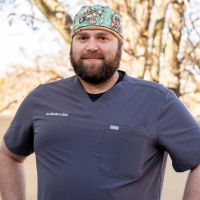
Gianluca Bini, DVM, MRCVS, DACVAA
Oklahoma State University, Assistant Professor of Anesthesiology and Pain Management SafePetAnesthesia.com, Owner
Dr. Gianluca Bini graduated from the University of Perugia, Italy. He then moved to the United Kingdom, where he completed two internships, one in anesthesia and one rotating, at Dick White Referrals, one of the largest referral centers in Europe. After completing his residency at North Carolina State University, he worked as an Assistant Professor of Anesthesiology and Pain Management at The Ohio State University and, more recently at Oklahoma State University. Inspired by his fervent desire to extend his impact and assist as many animals as possible, he founded Safe Pet Anesthesia, a tele-consulting and training firm.
Overview:
Deep...Light...Deep... Anesthetic roller coasters are not fun. This lecture will provide you with easy tools to make your cruise like never before.
Learning Objectives:
- Define Minimum Alveolar Concentration (MAC) and explain its significance in veterinary anesthesia.
- Compare the pharmacokinetics of Isoflurane and Sevoflurane, including their MAC values and solubility coefficients.
- Determine the appropriate inhalant anesthetic settings based on a given patient scenario, considering factors such as circuit volume and fresh gas flow rate.
- Differentiate the MAC-sparing effects of various analgesic and sedative drugs used in anesthesia protocols.
- Assess the advantages and limitations of systemic versus locoregional anesthesia in improving anesthetic stability and postoperative pain management
This course is RACE-approved for 1.0 continuing education credits hours in jurisdictions that accept RACE-approval.
